
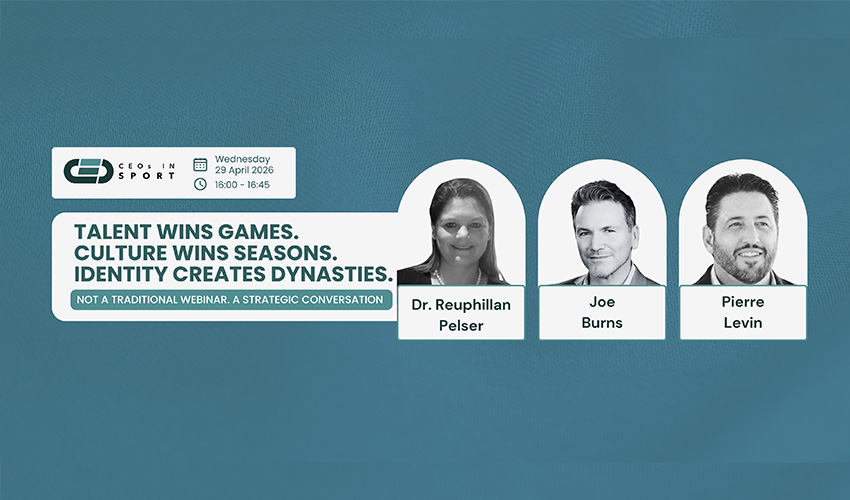
High performance is often measured through visible outcomes: results, wins, growth, and execution.
However, sustained success is rarely explained by performance alone. It is shaped by something deeper: identity.
When pressure increases, organisations do not become something new. They revert to what has been consistently embedded over time.
Talent and Its Limits
Talent creates potential, but it does not guarantee consistency.
It is necessary for performance, but insufficient for sustainability. In isolation, it produces moments of success rather than enduring advantage.
Culture as the System of Consistency
Culture determines how organisations behave over time. It defines what is normal, what is reinforced, and how individuals respond under pressure.
It is formed through repetition and consistency rather than intent alone.
Strong cultures provide stability in uncertain environments, ensuring that behaviour remains aligned even when conditions change.
Identity as the Deep Structure
Identity sits beneath both talent and culture.
It defines what an organisation stands for, how it behaves under pressure, and what remains non-negotiable over time.
While culture governs behaviour, identity governs continuity across cycles, seasons, and disruption.
What Pressure Actually Reveals
Leadership plays a critical role in shaping identity, not through messaging, but through what is consistently reinforced.
Over time, these signals become embedded in culture, and culture hardens into identity.
In that sense, pressure does not create behaviour. It exposes it.
What endures is not ambition, but identity made visible in action.